
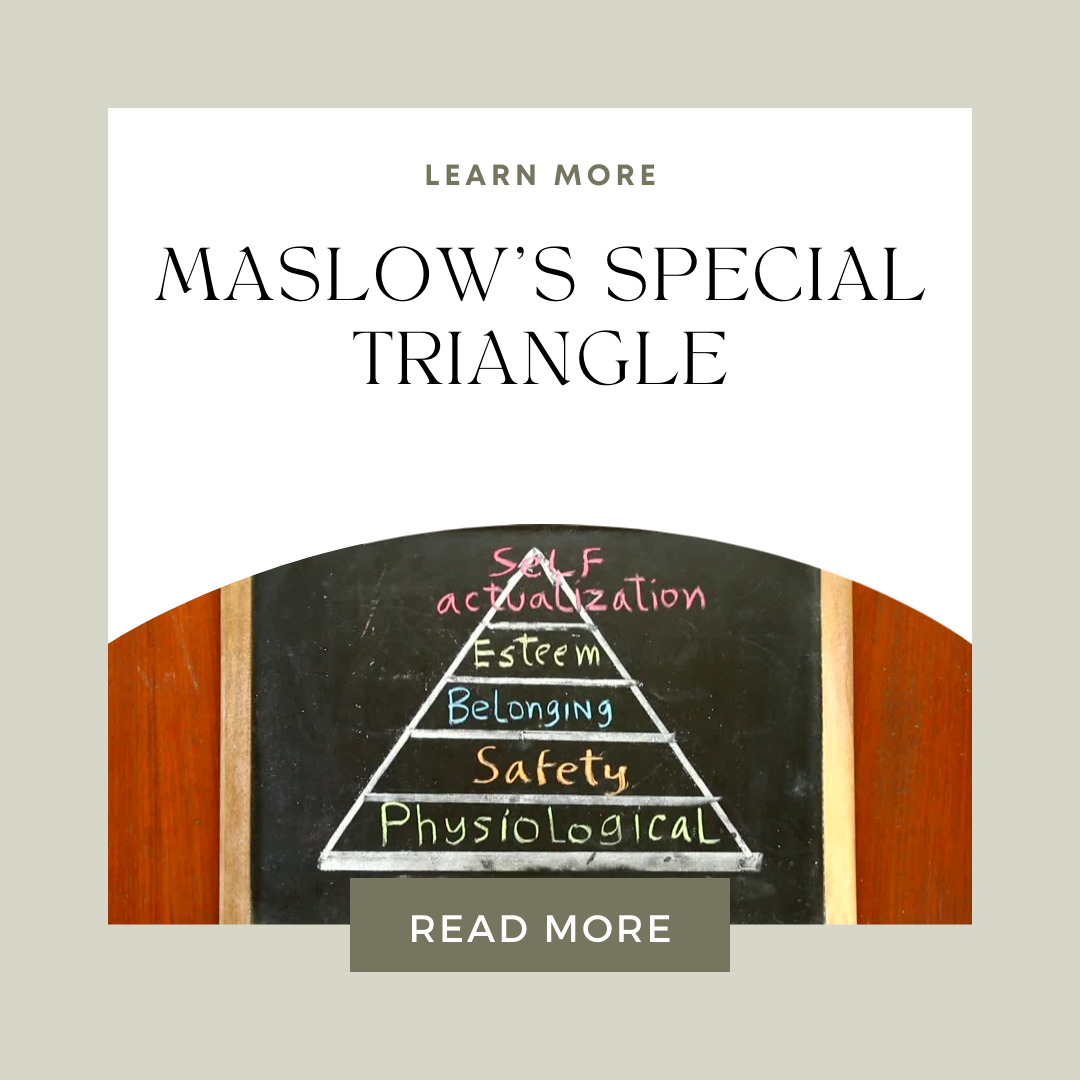
Abraham Maslow’s Hierarchy of Needs has been adapted over time for marketers. Some may be surprised to learn it dates back to the 1970s. It outlines the essential elements a business should focus on to succeed in today’s digital and customer-centric landscape. It is a psychological theory categorising human needs into a hierarchy, with basic physiological needs at the bottom and higher-level self-actualisation needs at the top.
In the context of marketing, the marketing hierarchy of needs adapts this concept to prioritise the needs of a business or brand to achieve success.

The needs are:
Functional Needs/Physiological Needs: At the base of the marketing hierarchy are the functional needs. These are the basic requirements that a product or service must fulfill to be considered viable in the market. This includes features, quality, performance, and reliability. Customers expect products to work as promised and meet their basic needs.
Examples include: Food and transport: Consumers need food primarily for sustenance. They look for products that provide essential nutrients and satisfy hunger. An example would be purchasing a loaf of whole wheat bread for its nutritional value. When buying a car, consumers typically prioritise features like reliability, safety, and fuel efficiency. A basic, reliable car that gets them from point A to point B fulfills their functional transportation needs.
Safety Needs: Once functional needs are met, customers seek assurance and safety in their purchase decisions. This includes elements like warranties, customer support, and after-sales service. Businesses must establish trust and provide security to their customers.
Examples include: Home security systems and insurance products: Consumers invest in home security systems to ensure the safety and protection of their property and loved ones. Insurance products (e.g., life insurance, health insurance, car insurance) provide financial security and peace of mind in case of unexpected events.
Social Needs: Above safety needs are social needs. These needs relate to how the product or brand fits into the customer’s social context. Customers often seek products or brands that reflect their values, aspirations, and lifestyle. Effective branding and messaging can address these social needs.
Examples include: Social platforms and coffee shops: Facebook, Instagram, and Twitter fulfill consumers’ social needs by allowing them to connect, share experiences, and stay in touch with friends and family. Coffee shops like Starbucks offer not just coffee but also a social space for people to meet, work, or relax together, catering to consumers’ social interaction needs.
Esteem Needs: Beyond social needs, customers seek recognition and self-esteem through their purchases. Brands can fulfill these needs by making customers feel valued and appreciated. Loyalty programs, personalised experiences, and recognition can enhance customers’ self-esteem.
Examples include: Luxury brands and career coaching services: High-end fashion brands like Gucci or Louis Vuitton cater to consumers’ desire for status and self-esteem. Owning luxury items can boost one’s self-esteem and social standing. Career Coaching Services that offer career development and coaching help individuals improve their skills and advance in their careers, meeting their esteem needs by boosting their self-confidence and professional success.
Self-Actualisation Needs: At the top of the marketing hierarchy are self-actualisation needs. This level is about helping customers fulfill their potential and achieve personal growth. It involves offering products or services that provide unique and meaningful experiences that go beyond the functional and emotional aspects. Brands can connect with customers on a deeper, more personal level by addressing these needs.
Examples include: Education and adventure travel: Universities and online learning platforms offer courses and programs that empower individuals to achieve their fullest potential, fulfilling their self-actualisation needs. Companies specialising in adventure travel experiences like hiking expeditions or wildlife safaris cater to consumers seeking personal growth, self-discovery, and unique experiences.
Transformational Needs: Some adaptations of the marketing hierarchy of needs include an additional level called transformational needs. This level involves helping customers transform their lives or achieve significant personal or societal goals through the use of a product or service. This level is often associated with brands that have a strong mission or purpose.
Abraham Maslow’s Hierarchy of Needs has not only stood the test of time but has also found a compelling application in the world of marketing. The marketing hierarchy of needs, offers a structured framework for businesses and brands to understand and prioritise the evolving needs of their customers in today’s digital and customer-centric landscape. From fulfilling basic functional needs to fostering self-actualisation and even transformational experiences, demonstrates how businesses can build lasting connections and create meaningful impacts on their customers’ lives. As we navigate the ever-changing marketing landscape, the marketing hierarchy of needs continues to be a valuable compass guiding businesses towards success by meeting the diverse and evolving needs of their customers.





Leave a Reply