
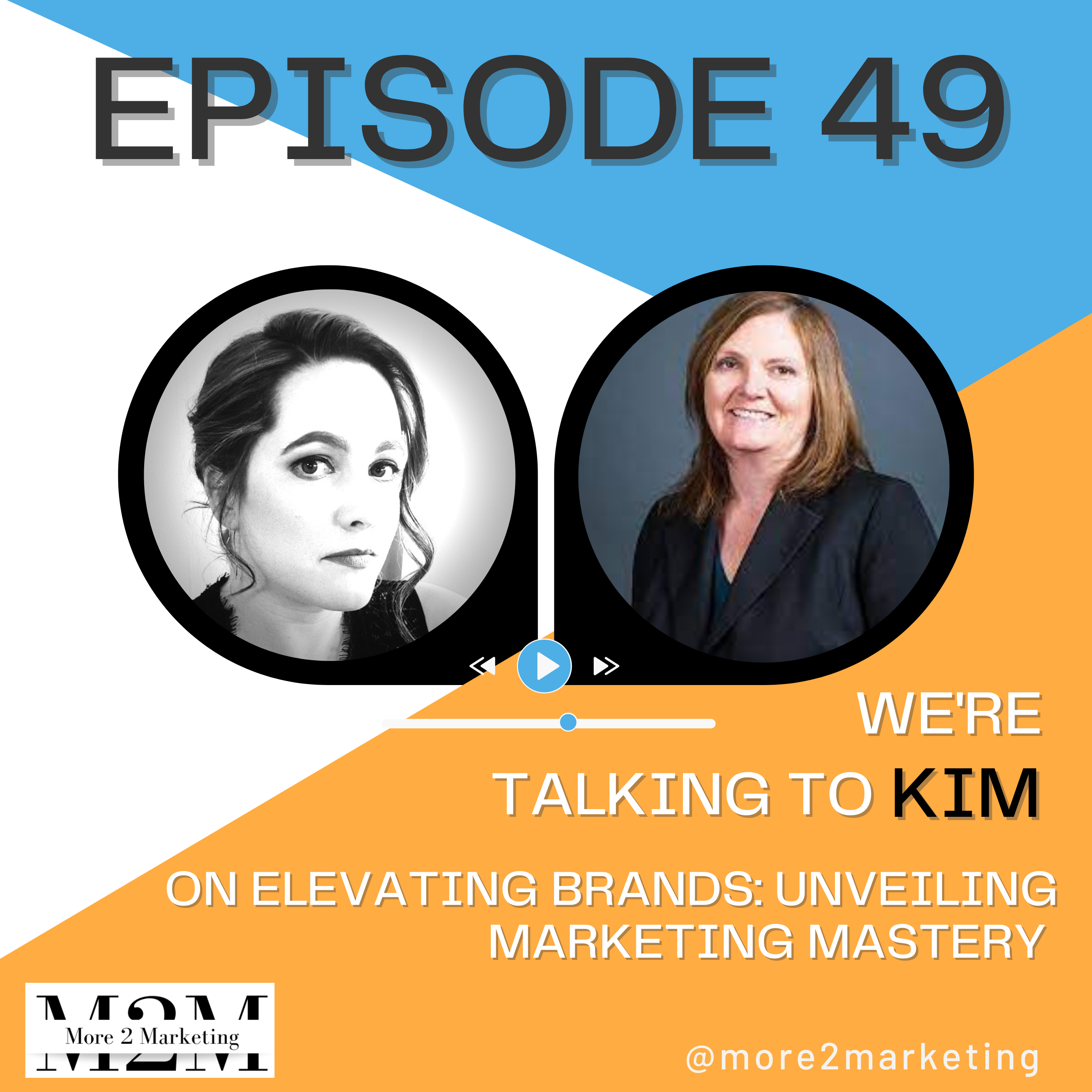
Branding is often considered the cornerstone of a company’s success. It shapes how businesses are perceived, fosters consumer loyalty, and enables sustainable growth. I had the pleasure of discussing branding and marketing strategies with Kim Lawton, an award-winning marketing veteran and co-founder of Enthuse Marketing. Kim’s insights into building and revitalizing brands offer valuable lessons for entrepreneurs and marketers alike.
The importance of branding
Kim emphasizes that a brand is not just a logo or a static entity; it is a dynamic, evolving concept that must adapt to changing environments and consumer behaviors. Brands like Nike and McDonald’s have successfully evolved over time, adjusting their logos and branding strategies to remain relevant. This adaptability is crucial for connecting with customers and maintaining brand loyalty.
Steps to building or revitalising a brand
When starting or revitalizing a brand, Kim recommends the following steps:
- Understand your audience: Conduct market research to grasp consumer needs and preferences. This involves getting out into the market to see firsthand how consumers interact with your brand.
- Market trends: Stay informed about market trends, which can vary significantly across different regions. For instance, consumer behavior in California may differ from that in New York City.
- Unique Selling Proposition (USP): Clearly define what sets your brand apart from competitors. This USP should be concise and compelling, capturing the essence of your brand in a few words.
- Articulate brand values and mission: Once you understand your audience, market trends, and USP, articulate your brand’s values and mission. This clarity is essential for connecting with your target audience effectively.
- Design and visuals: Develop brand visuals that resonate with your audience. This includes choosing appropriate colors and ensuring that your brand’s visual identity is consistent across all platforms.
- Engage with your audience: Determine where your audience is most active and engage with them there. Not every brand needs to be on TikTok; focus on platforms where your message will resonate.
- Monitor and adjust: Continuously monitor how your brand is performing and adjust strategies based on feedback from consumers and market trends.
Legal compliance
Kim also highlights the importance of legal compliance, particularly in terms of trademarked elements like colors or names. For example, Cadbury’s purple is trademarked, and using it without permission could lead to legal issues. Similarly, names can be contentious, as seen in cases involving celebrities like Katy Perry.
The power of activations
Activations, or interactive marketing experiences, are a key part of Kim’s approach. She believes in creating immersive experiences that connect emotionally with consumers. Examples include transforming bus shelters into scenes from movies or offering personalized products in public spaces. These activations make consumers feel understood and valued, fostering a deeper connection with the brand.
Building a successful brand requires a deep understanding of your audience, a clear unique selling proposition, and a willingness to adapt and evolve. By focusing on these elements and incorporating engaging activations, businesses can elevate their brands and achieve marketing mastery.
About Kim Lawton
Kim Lawton is a renowned marketing expert and co-founder of Enthuse Marketing, an agency dedicated to brand building and activations. She is also involved in supporting women entrepreneurs through her nonprofit work, highlighting the importance of empowering women in business. Her expertise spans working with major brands in the U.S., where she has successfully driven brand growth and community engagement.
Listen to the accompanying podcast at More 2 Marketing or read the transcript.







Leave a Reply